
A Future Forged in Fire
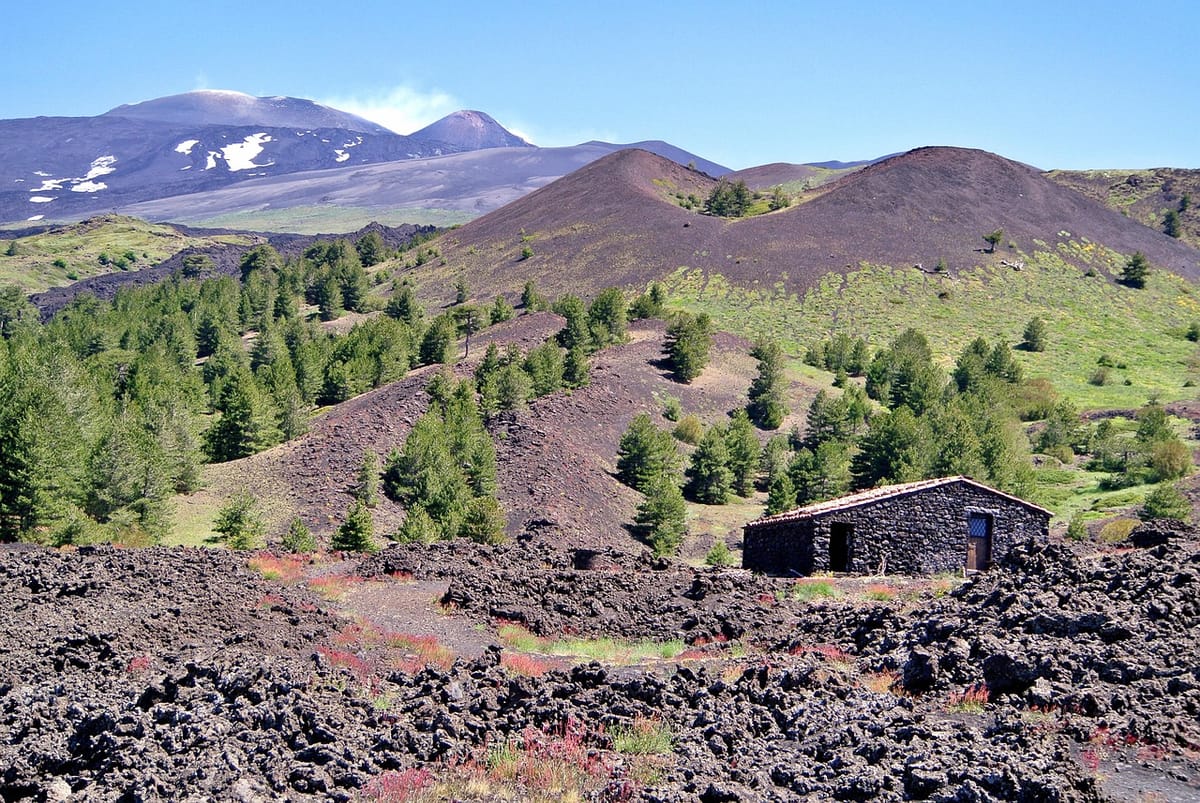
The Endearing (and awesome) Lava Flows of Mount Etna
I've been reading a lot about nature lately. One speaks to the universal kind found out there under the big blue sky. Think trees and bodies of water. Overall our engagement with these environments is on the decline, but there is little in the way of argument that exposure to them is essential to our wellbeing.
The other is a nature of a purely human makeup, conditions for which there are numerous examples, both good and bad, for and against:
It is human nature to think wisely and act in an absurd fashion.—Anatole France
Really I don't like human nature unless all candied over with art.—Virginia Wolfe
Human nature is above all things lazy.— Harriet Beecher Stowe
Subdue your appetites, my dears, and you've conquered human nature.— Charles Dickens
Only now that I look over that list I see that they each stand firmly against, which says more about my state of mind than anything else, a fact influenced no doubt by one of the two books I’ve read recently, which begins with this disheartening quote:
They were careless people, Tom and Daisy—they smashed up things and creatures and then retreated back into their money or their vast carelessness or whatever it was that kept them together, and let other people clean up the mess they had made.
— The Great Gatsby, F. Sctott Fitzgerald
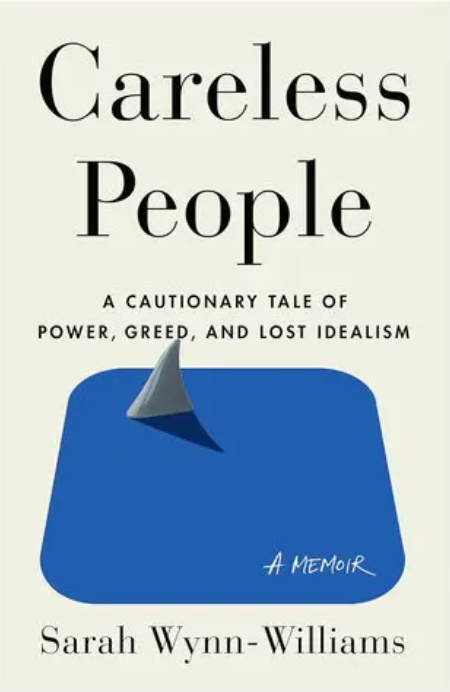
The book is Careless People: A Cautionary Tale of Power, Greed, and Lost Idealism, written by Sarah Wynn-Williams, a former director of public policy at Facebook. To know which side of the aisle she stands, Meta sued the author to prevent the book’s publication, which tells you all you need to know about the quality, and intent, of the nature encountered here.
In the authors own words: “When you have so many other people doing things for you professionally and personally, you stop taking responsibility for any of it.”
That says a lot, but I won’t go into detail here—there are much better things to spend our time on and trust me, I could write a solid week discussing my disappointment with capitalism—but only say that everyone on 1.) social media today or 2.) investing in an index fund (Meta) or 3.) is concerned with just how sorry of an experiment human civilization is shaping up to be, should read it. If you live your online life by mostly posting pictures of puppies for adoption or videos of people doing stupid shit, but otherwise bury your head in the sand you can skip it.
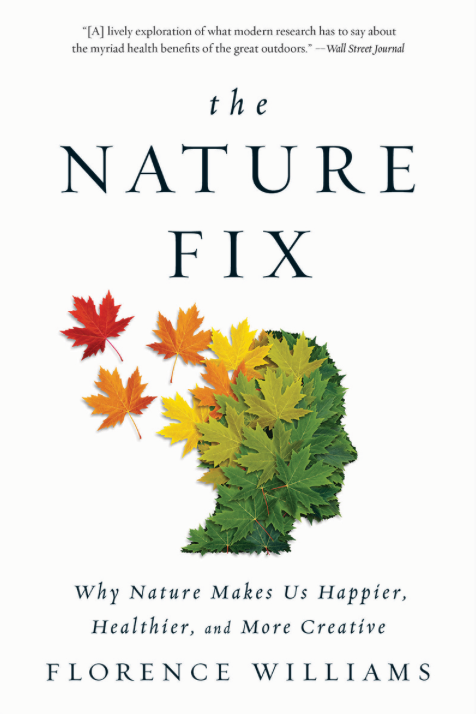
But wait. The truth is we’d all likely be better off if we spent a little less time online, fretting over investments, and contemplating global states of affair—going so far as to even sticking our heads in the sand, perhaps. Or instead of sand, how about the forest (or sea), which is an argument supported by the other book I’ve been reading,The Nature Fix: Why Natures Makes Us Happier, Healthier and More Creative. As the author Florence Williams points out: “The human brain evolved outside, in a world filled with interesting things, but not an overwhelming number of interesting things”.
Evolution favored early humans who could both stay on task and switch tasks when needed…. Our nimbleness in allocating our attention may be one of humanity’s greatest skills. — The Nature Fix
Indeed, we all suffer in some way from the same disease. That is an overwhelming number of interesting things all competing for our attention.
Here’s more from Willaims: “Humans have brains that are sensitive to social and emotional stress and we always have. Perhaps what matters is not the source of the stress (looking at you, internet) but the ability to recover from it. This is a key point, because it’s perhaps what we’ve lost by giving up our connection to the night skies, the bracing air and the companionate chorus of birds.”
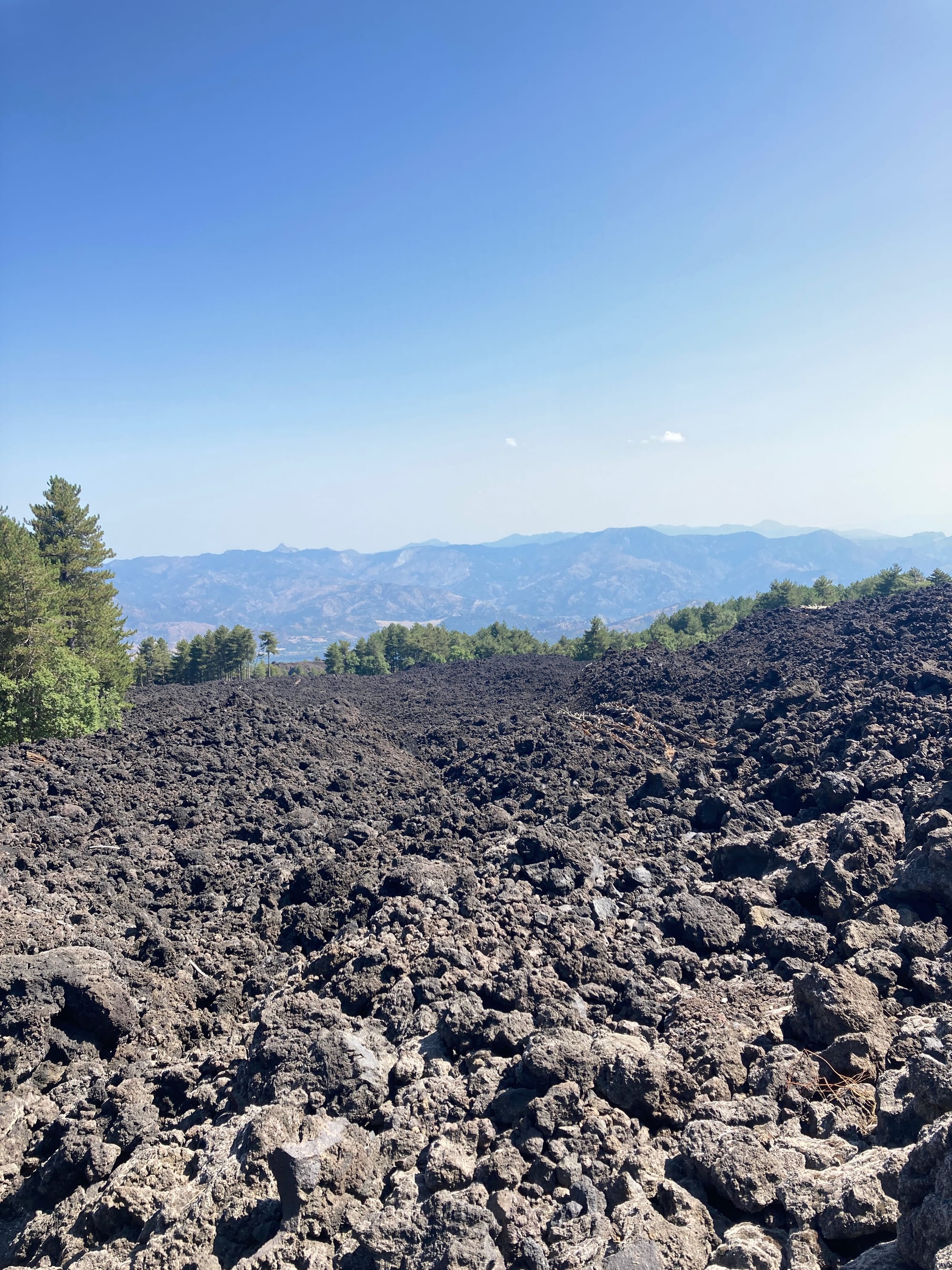
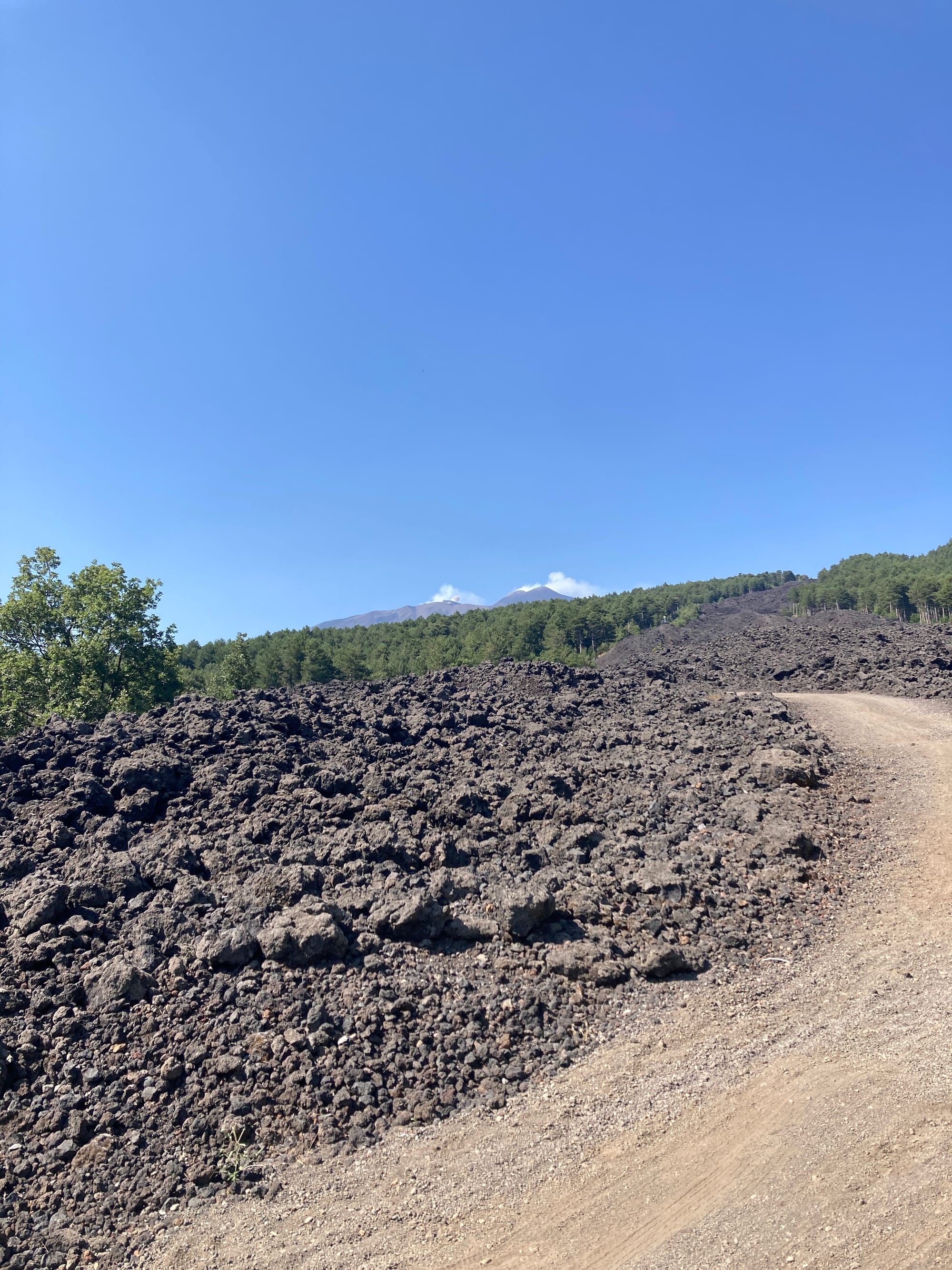
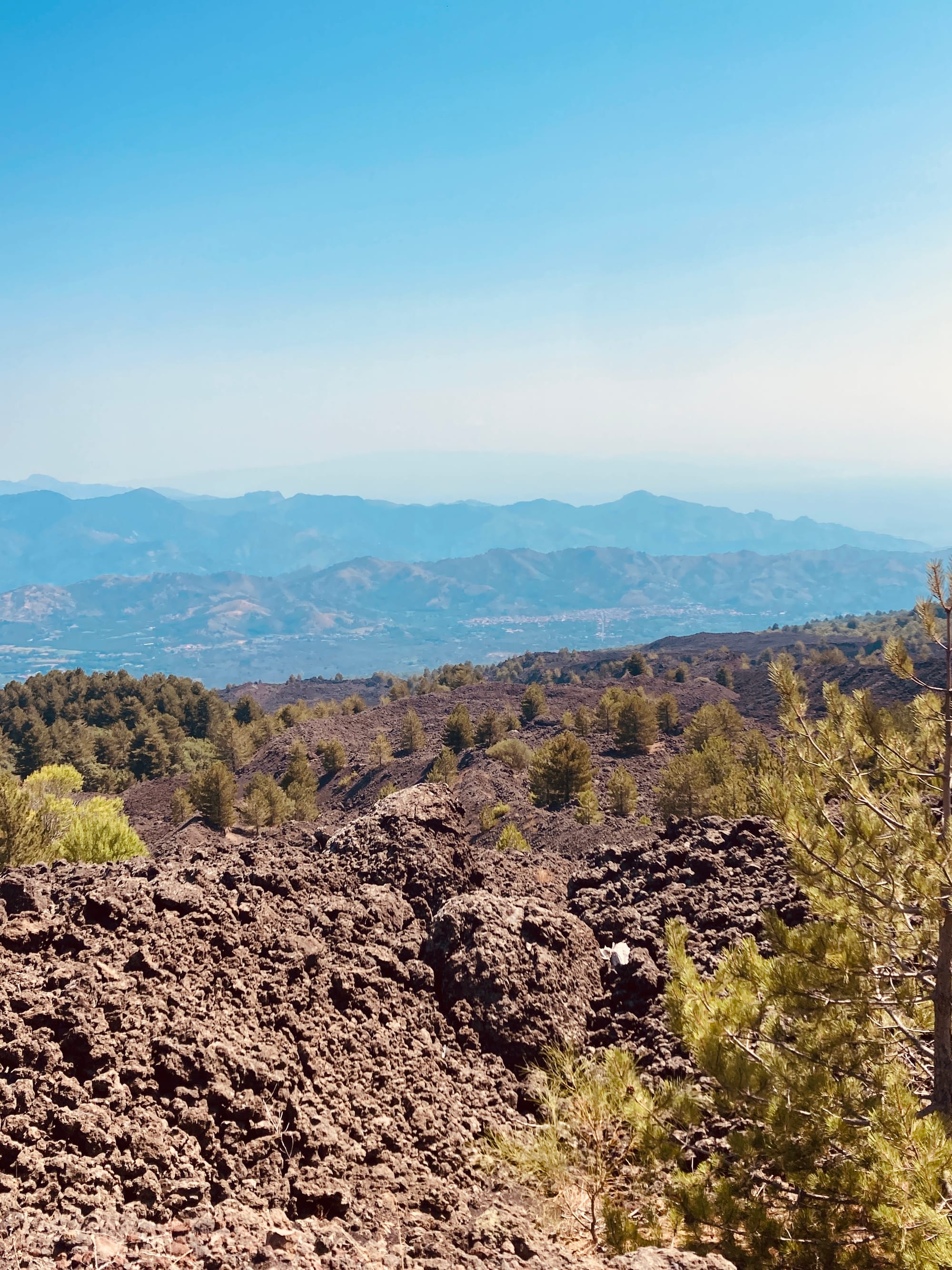
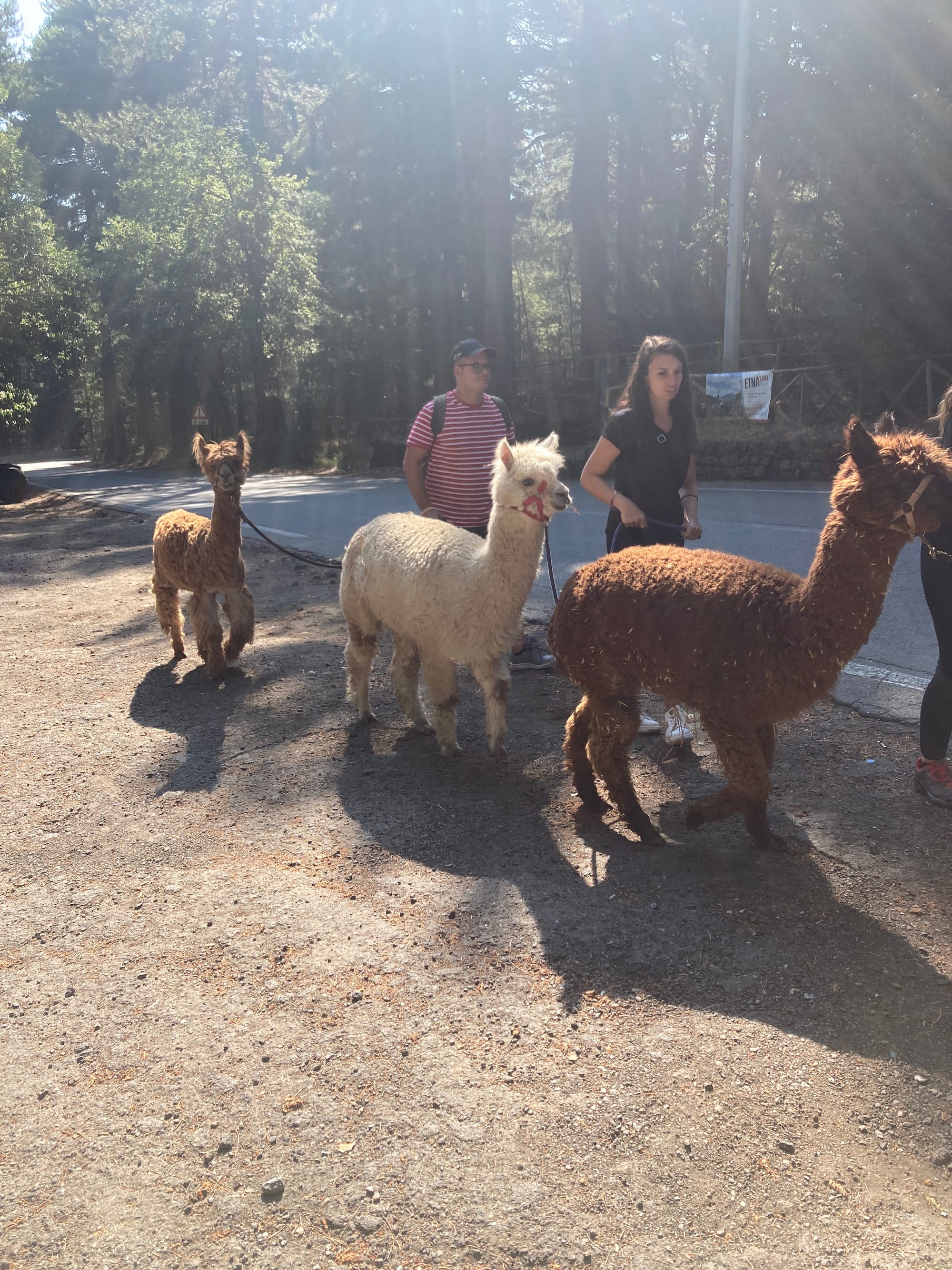
Which brings me to Muncibbeḍḍu. We had the chance this past weekend to take a two hour hike along the midline of Mount Etna and in so doing crossed three old lava flows. One from 2002, another from 1920s and the last from an eruption dating from around 1150.
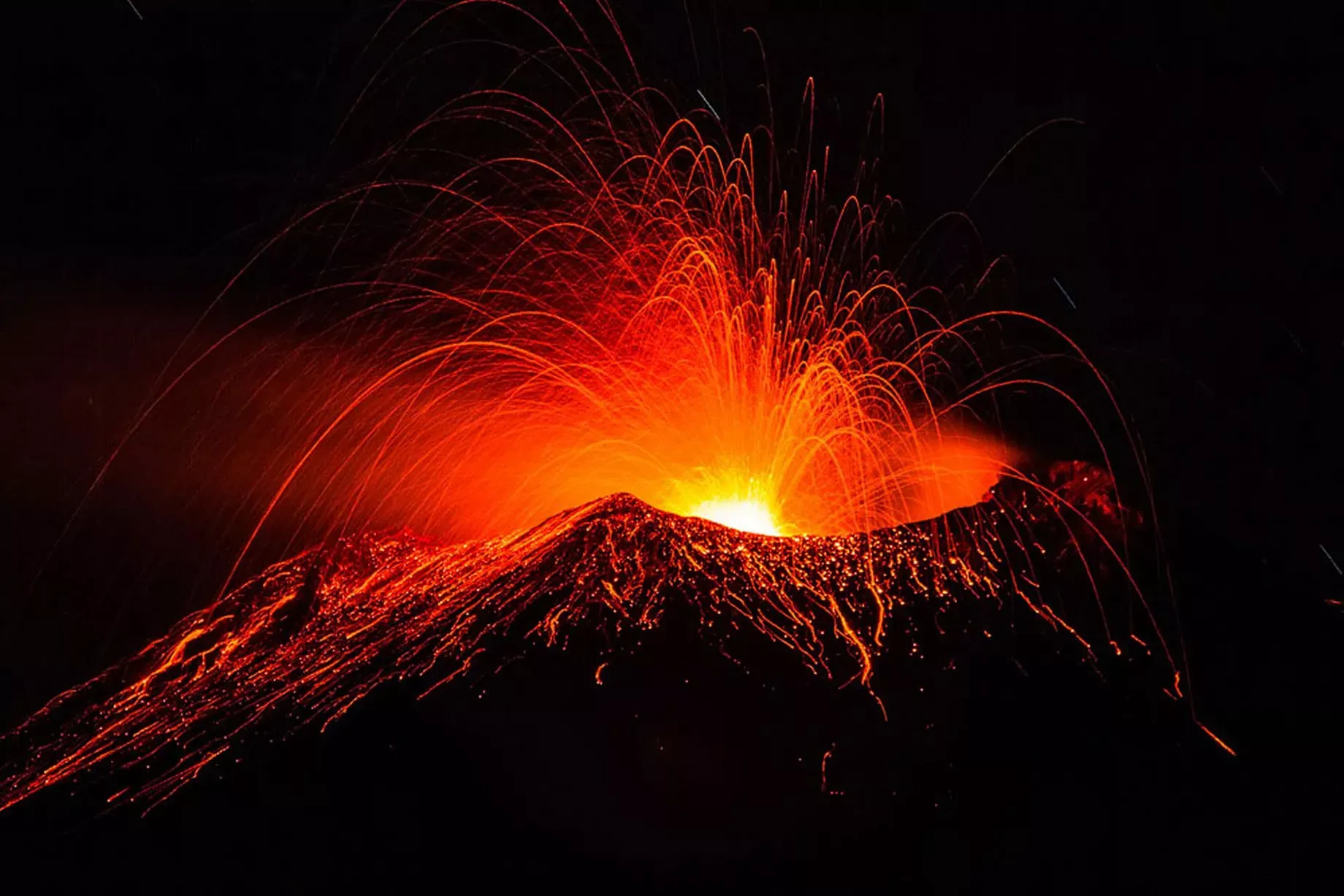
Around every turn the walk reminded me of another book I’ve read since moving to Sicily and one that comes to mind her often. Awe: The New Science of Everyday Wonder and How It Can Transform Your Life, by Dacher Keltner. Specifically this quote: “Awe can make us feel that our life’s work is both less important than our default self makes it out to be and yet promising in purpose and possibility.”
Which might offer, if you were to ask me, the absolute necessary remedy for any and all careless people.
The truth is we can pretty much do whatever we want with our time on this planet but nature will always outlive us, it will always (I imagine and hope) find a way to defend all the evils we could possibly throw at it. It’d be better for us and for it, too (though not essential), to nurture and foster as much pleasure, peace and comfort in and for one another while we’re here.
Here's a short clip of our walk on Etna. If you experience even the slightest sense of the awe we felt walking it while watching, I feel I will have done what I can to counter a few minutes of time spent feeding the greed machine of social media.
Thanks for being here.
Alla prossima!
Steve